효율과 안전에서 미식·콘텐츠·웰니스까지, 단체급식은 어떻게 진화했나
위탁급식 40년, 한 끼를 넘어 ‘경험’을 설계하다
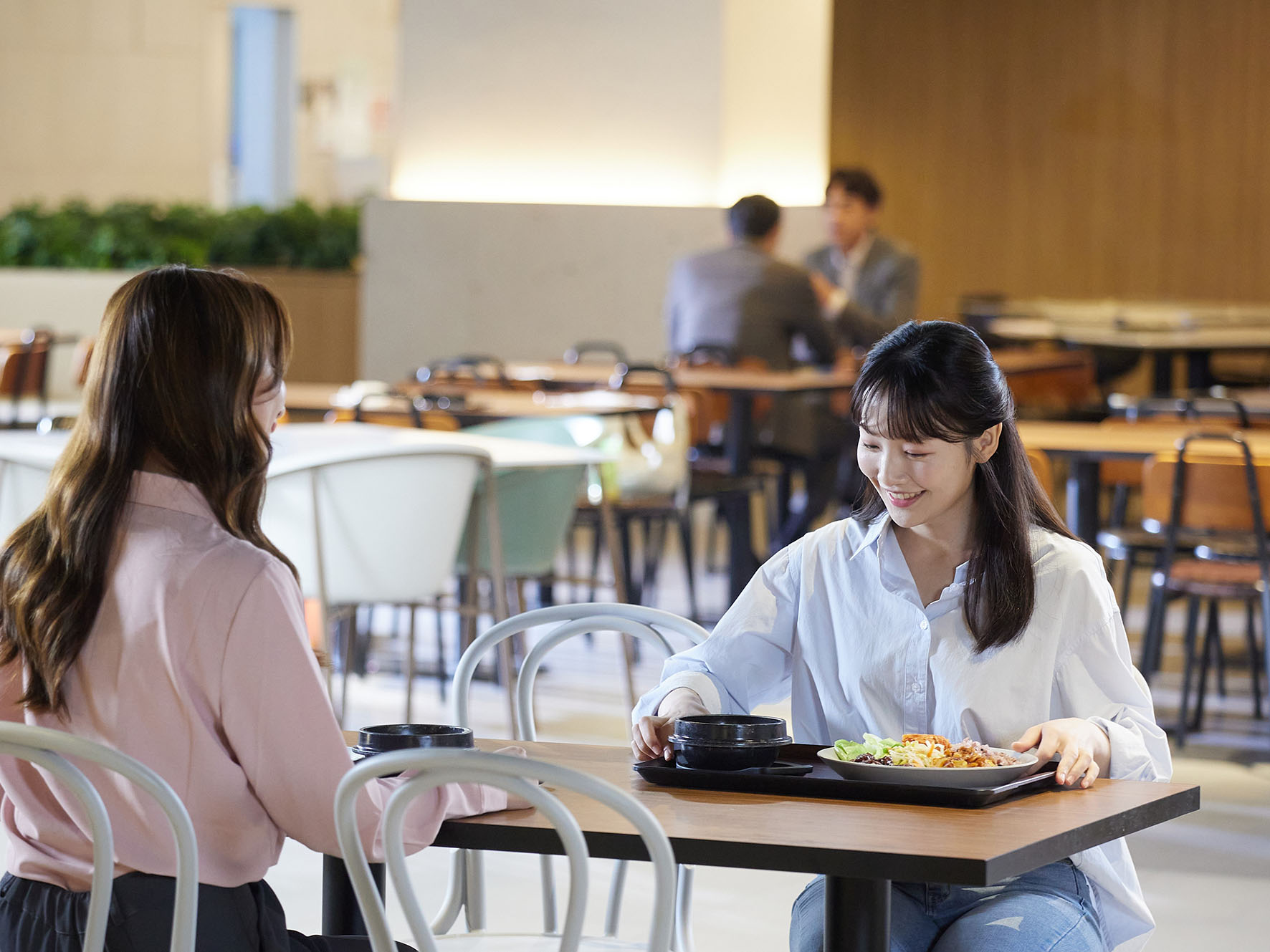
1980년대 후반, 국내 기업들이 임직원 식당의 운영을 전문업체에 맡기기 시작했다. 기업이나 학교, 병원 등이 직접 운영하던 집단급식소에 식재료 구매부터 메뉴 개발, 조리, 위생관리까지 전문적으로 담당하는 위탁급식이 등장한 것이다.
이때부터 단체급식은 조직 내부의 복리후생 업무를 넘어 하나의 전문 산업으로 성장하기 시작했다. 1990년대에는 식자재 유통과 외식사업의 경험을 갖춘 대기업들이 잇따라 시장에 진출했고, 산업체 중심이던 위탁급식은 대학과 학교, 병원 등으로 영역을 넓혀갔다.
이후 약 40년. 단체급식의 경쟁 기준은 ‘많은 사람에게 정해진 시간 안에 식사를 제공하는 것’에서 ‘어떤 식사와 경험을 제공하는가’로 이동했다. 오늘날 구내식당은 단순히 끼니를 해결하는 공간이 아니라, 외식업계의 미식 트렌드와 영화·드라마·예능 등 대중문화 콘텐츠를 만나는 장소이자, 건강한 식습관을 일상에서 실천하는 웰니스 플랫폼으로 진화하고 있다.
나아가 미래의 단체급식은 조리인력과 주방 공간의 한계를 넘어서는 ‘키친리스’ 모델을 얼마나 정교하게 구축하고 안정적으로 서비스할 수 있는지가 핵심 경쟁력이 될 전망이다. 거점 주방과 식자재 공급망, 메뉴 개발, 품질 관리, 배송 운영 등을 유기적으로 연결해 다양한 사업장에 최적화된 급식 서비스를 설계하는 것이 단체급식 산업의 새로운 화두로 떠오르고 있다.
1. 단체급식 시대별 변화 과정
[1980년대 후반~1990년대 : 직접 운영에서 전문 위탁 운영으로]
국내 단체급식 산업은 1980년대 후반 산업체 급식을 중심으로 태동했다. 기업 규모가 커지고 임직원의 복리후생에 대한 관심이 높아지면서, 사내식당을 보다 안정적이고 전문적으로 운영해야 한다는 요구가 커졌다. 이에 따라 메뉴 구성과 식재료 조달, 조리인력 운영, 위생관리 등을 전문 급식기업이 통합 수행하는 위탁 운영 방식이 확산됐다.
1990년대에는 대형 기업들이 단체급식 시장에 본격적으로 참여했다. 산업체뿐만 아니라 대학교와 중·고등학교 등으로 사업영역이 확대되면서 단체급식은 독립된 산업으로 자리 잡기 시작했다. 이 시기의 핵심 경쟁력은 전문화와 효율화였다. 대량 구매를 통한 원가관리, 체계적인 인력 운영, 표준화된 식단과 조리 매뉴얼이 도입되면서 급식 품질의 편차가 줄었다.
영양사와 조리인력의 전문성도 더욱 중요해졌다. 단체급식은 더 이상 조직이 부수적으로 운영하는 식당이 아니라 전문기업의 시스템과 인프라를 기반으로 운영되는 푸드서비스 산업이 됐다.
[2000년대 : 규모의 성장에서 품질과 안전의 시스템화로]
2000년대 들어 위탁급식은 병원, 공공기관, 레저시설, 실버시설 등 다양한 영역으로 확장됐다. 단체급식 기업들도 식자재 유통, 컨세션, 해외사업 등으로 사업 범위를 넓히며 종합 식품서비스 기업으로 성장했다.
이용객과 운영 사업장이 늘어나면서 단체급식의 핵심 과제도 달라졌다. 단순히 많은 식사를 만드는 것보다 어느 사업장에서나 일정한 맛과 품질을 구현하고, 대량 조리 과정에서 발생할 수 있는 식품안전 위험을 체계적으로 관리하는 역량이 중요해졌다.
이에 따라 단체급식 기업들은 식재료의 구매와 검수, 보관, 배송, 조리, 배식에 이르는 전 과정을 표준화하기 시작했다. 냉장·냉동 상태를 유지하는 콜드체인과 식품안전 관리체계, 표준 레시피, 전처리 식재료와 반조리 상품 등의 중요성도 커졌다.
단체급식의 경쟁력이 주방 안의 조리 경험만으로 결정되는 시대에서, 구매·물류·식품안전·메뉴 개발을 아우르는 종합 시스템으로 결정되는 시대로 전환된 것이다.
[2010년대 : ‘식사 제공’에서 ‘고객 만족’으로]
단체급식 산업이 안정기에 접어든 2010년대에는 이용객의 기대가 빠르게 높아졌다.
외식문화가 발달하고 글로벌 음식과 유명 맛집, 프랜차이즈 메뉴를 접할 기회가 늘어나면서 구내식당도 외부 식당과 비교되기 시작했다. 정해진 한 가지 메뉴를 제공하는 것만으로는 이용객을 만족시키기 어려워졌다.
이에 따라 복수 메뉴와 즉석조리 코너, 샐러드바, 테이크아웃 메뉴 등이 확대됐고, 지역 맛집이나 외식 브랜드와 협업한 특식도 등장했다. 건강식과 저칼로리 메뉴, 채식 선택지 등 개인의 취향과 생활방식을 반영한 식단도 중요해졌다.
구내식당의 공간과 동선, 배식 속도, 메뉴 안내, 이벤트 등 식사 전후의 서비스 역시 만족도를 좌우하는 요소가 됐다. 이때부터 단체급식은 영양과 가격, 운영 효율을 관리하는 산업을 넘어 맛과 다양성, 편의성까지 설계하는 고객 경험 산업으로 발전하기 시작했다.
[2020년대 : 주방의 한계를 넘어, 미식·콘텐츠·웰니스 플랫폼으로]
2020년대 단체급식은 운영 효율과 고객 경험을 동시에 고도화하는 방향으로 변화하고 있다. 조리인력 부족과 공간 제약에 대응하기 위해 중앙 생산시설이나 외부 조리 인프라를 활용하는 ‘키친리스’ 모델이 확산되며, 사업장 주방의 부담을 줄이고 메뉴 품질을 표준화하는 흐름이 나타나고 있다.
구내식당은 단순한 식사 공간을 넘어 외식 경험을 제공하는 플랫폼으로 진화하고 있다. 유명 셰프, 외식 브랜드, 지역 맛집과 협업한 특식 메뉴가 확대되고, 시즌·트렌드·IP를 접목한 미식 콘텐츠도 늘어나면서 급식의 차별화 요소가 맛과 경험으로 확장되고 있다.
웰니스 급식도 중요한 흐름으로 자리 잡았다. 건강관리와 자기관리에 대한 관심이 높아지면서 저염·저당·저칼로리 식단, 고단백 메뉴, 샐러드와 채식 선택지 등 개인의 건강 목표와 생활방식을 고려한 식단 수요가 커지고 있다. 단체급식은 이제 한 끼 제공을 넘어 미식, 콘텐츠, 건강관리 경험을 설계하는 생활 플랫폼으로 발전하고 있다.
2. 2020년대 이후 단체급식의 트렌드 대표 사례
[조리인력과 공간의 한계를 넘는 ‘키친리스’]
운영 측면에서 주목받는 변화는 CJ프레시웨이가 선도하고 있는 ‘키친리스(Kitchenless)’다. 키친리스는 현장에 별도의 대형 주방을 두지 않고 거점 주방에서 조리한 식사를 각 사업장으로 공급하거나, 샌드위치·샐러드·도시락 등 간편식을 제공하는 방식이다.
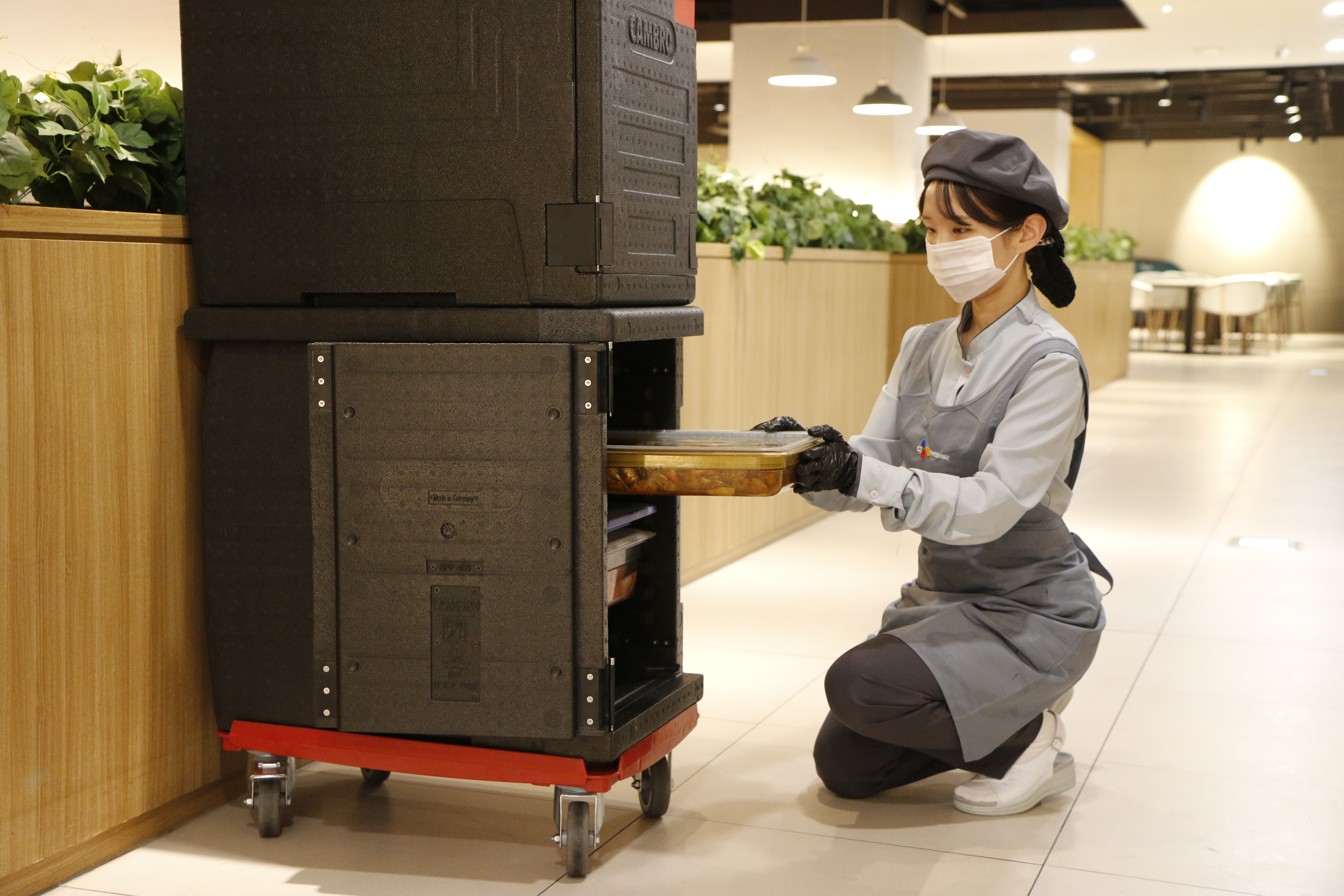
키친리스가 단체급식의 미래로 꼽히는 배경에는 단체급식 산업이 마주한 구조적인 과제가 있다. 2026년 1월 한국경제신문과 전자신문 보도에 따르면 국내 급식시장은 고령화에 따른 노동력 감소, 높은 노동강도로 인한 조리 업무 기피, 인건비와 원재료비 상승이 동시에 나타나며 조리인력 확보와 현장 운영 부담이 커지고 있다. 대형 주방과 상주 인력이 필요했던 기존 방식은 소형 오피스와 중소형 병원, 아파트 등 식수가 많지 않거나 주방 공간을 확보하기 어려운 사업장에 적용하기 어렵다는 한계에도 봉착했다.
실제 시장에서도 키친리스의 성장 가능성이 확인되고 있다. 한국경제신문의 2026년 1월 보도에 따르면, CJ프레시웨이의 키친리스 사업 매출은 2023년말 대비 2025년말 55.4%증가한 것으로 나타났다.
[외식과 급식의 경계를 허무는 미식·콘텐츠 경험]
운영 방식의 변화와 함께 현재 단체급식에서 나타나는 가장 큰 변화는 외식과 급식의 경계가 점차 희미해지고 있다는 점이다. 단체급식은 더 이상 단순 한 끼의 식사만을 제공하는 역할에 그치지 않고 미식 경험을 확장하고 즐기는 문화 공간으로 변화하고 있다.
이용객들 구내식당에서도 유명 셰프의 메뉴와 외식 트렌드, 새로운 글로벌 음식을 경험하기를 기대한다. 식사의 영양뿐만 아니라 메뉴가 가진 이야기와 화제성, 식사 시간에 느끼는 즐거움도 중요하게 생각한다. 건강에 대한 관심 역시 ‘적게 먹는 것’에서 ‘잘 먹는 것’으로 바뀌었다. 저염·저당을 넘어 저속노화, 장 건강, 고식이섬유, 식물성 식단 등 구체적인 웰니스 트렌드가 일상의 식사에 반영되고 있다.
CJ프레시웨이는 이 같은 변화에 맞춰 단체급식의 역할을 ‘식사 제공’에서 일상의 미식과 문화, 건강을 경험하는 서비스로 확장하며 업계 트렌드를 주도하고 있다.
CJ프레시웨이는 2025년 4월 미쉐린 가이드 빕 구르망 선정 식당인 ‘진중 우육면관’의 우육탕면을 구내식당 메뉴로 선보였다. 2025년 12월에는 오스틴강·황진선·조셉 리저우드 등 미쉐린 레스토랑 오너 셰프들과 ‘셰프 마스터즈’를 진행해 셰프의 이야기와 미식 철학을 담은 메뉴를 급식 환경에 맞춰 재해석했다. 구내식당이 유명 외식 메뉴를 소비하는 장소를 넘어, 셰프와 음식에 담긴 이야기를 함께 경험하는 ‘일상 속 미식 플랫폼’으로 변화한 것이다.
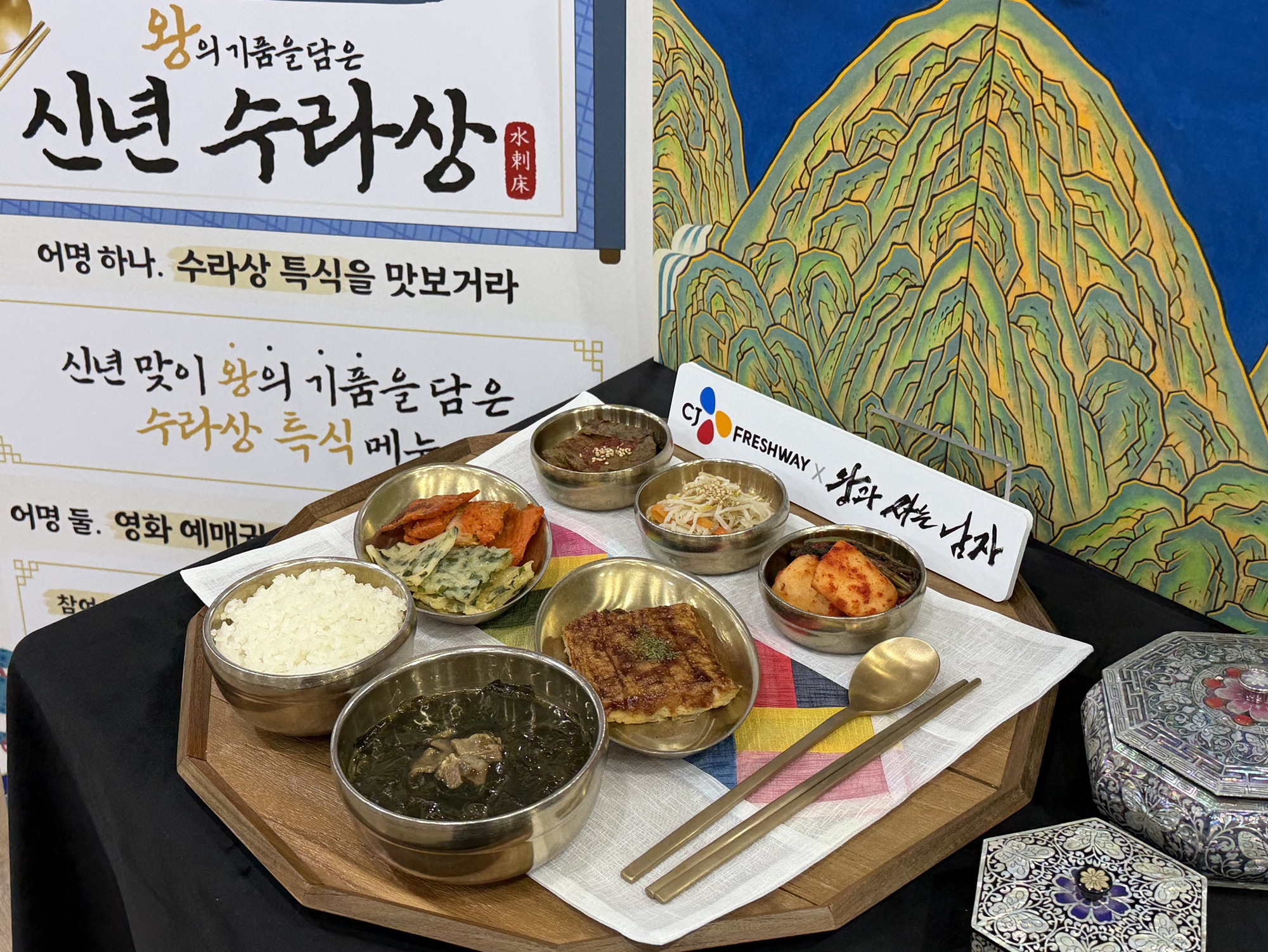
같은 CJ그룹 계열사인 CJ ENM과 CGV 등이 보유한 영화·드라마·예능 IP 콜라보 프로모션은 단체급식 기업 중 CJ프레시웨이만이 보유한 차별화된 경쟁력이다.
CJ프레시웨이는 지난 2024년 업계 최초로 드라마 및 영화 IP를 활용한 특식 이벤트를 진행한 데 이어, 2025년과 2026년에도 영화 <미션 임파서블: 파이널 레코닝>, <왕과 사는 남자>, 드라마 <서초동> 등 다양한 작품과 연계한 특식을 선보이며 고객 만족도를 높이고 있다.
2026년 6월에는 tvN 예능 프로그램 <언더커버 셰프> IP를 활용한 특식 메뉴 ‘나폴리식 감자 케이크’와 ‘파스타 알라 노르마’ 등을 급식으로 제공하며 고객만족도를 높이고 있다.
[‘적게 먹기’에서 ‘잘 먹기’로, 구체화되는 웰니스 급식]
CJ프레시웨이는 글로벌 트렌드로 거듭난 ‘웰니스’ 식단 개발에도 심혈을 기울이고 있다. 과거의 건강식이 저염·저당이나 열량 관리에 집중했다면 최근에는 저속노화, 장 건강, 고식이섬유, 균형 잡힌 단백질 섭취, 식물성 식재료 등 개인의 건강 목표와 생활방식을 반영한 식단으로 구체화되고 있다.
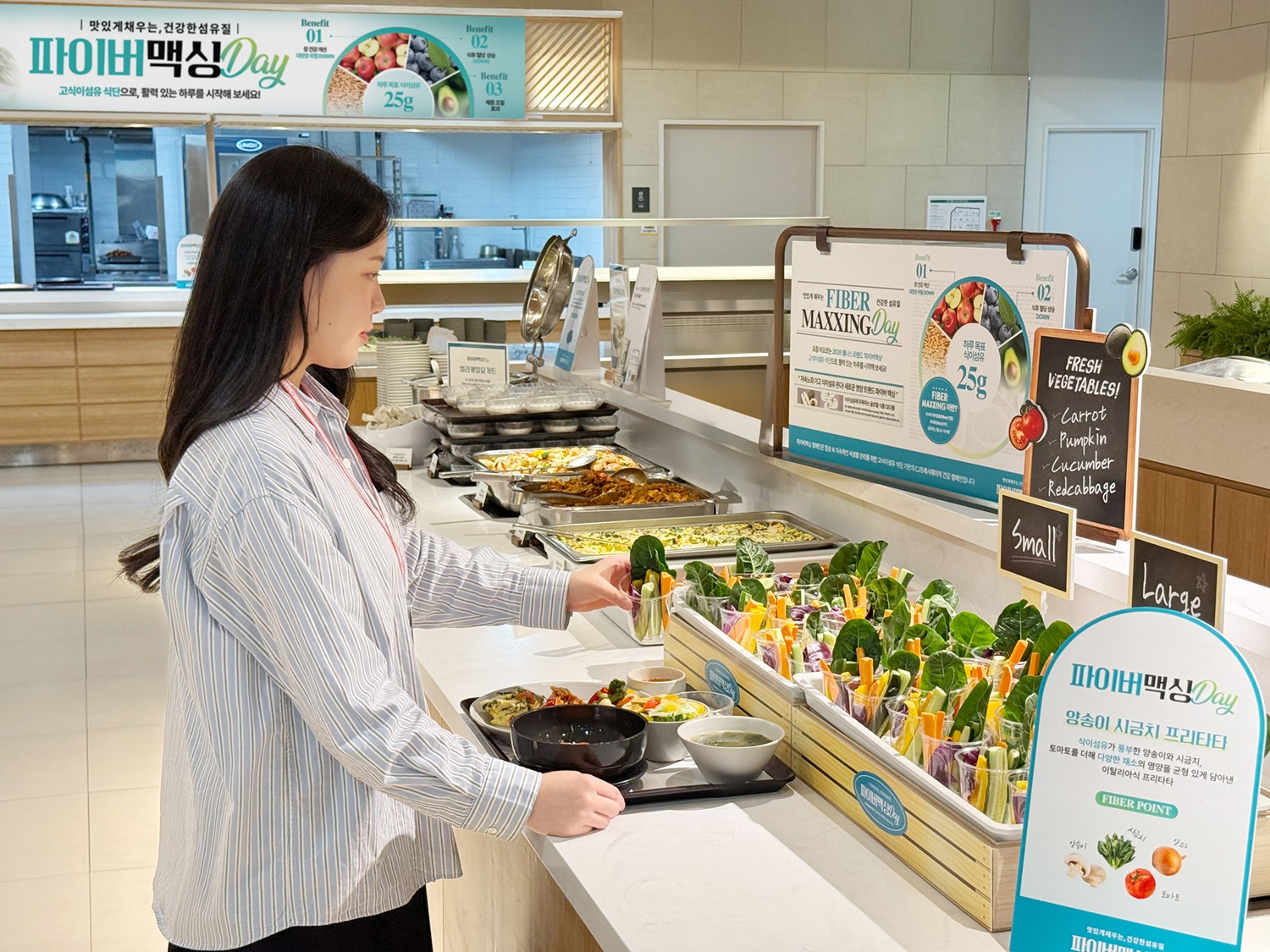
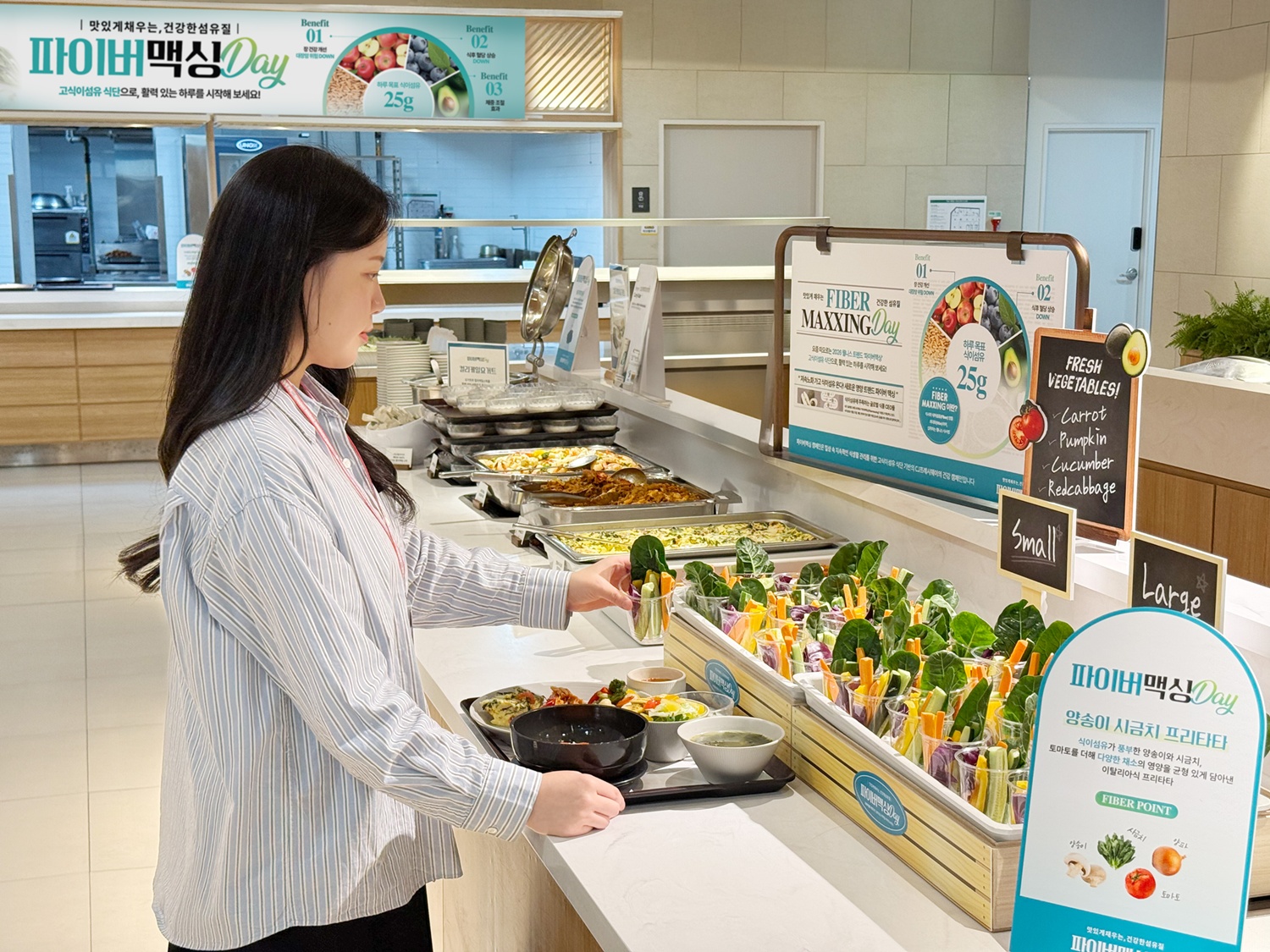
이러한 변화해 대응해 CJ프레시웨이는 2025년 3월 저속노화 식단을 소개하는 ‘슬로잇(SlowEat)’ 캠페인을 전개하고, 식품의약품안전처와 함께 전국 40여 개 단체급식장에서 저염 식단을 제공했다. 2026년 3월에는 우엉·연근·양배추·버섯·해조류 등 식이섬유가 풍부한 식재료를 한 끼 식단 전반에 활용한 ‘파이버맥싱(Fiber Maxxing)’ 캠페인을 시작했다. 실제, 단체급식 현장에서도 건강을 강조한 메뉴가 자칫 낯설수 있다는 선입견과 달리, 기존에 익숙한 메뉴에 식이섬유가 풍부한 식재료를 자연스럽게 접목했다는 점에서 긍정적인 반응을 보이고 있다.
이처럼 2020년대 단체급식은 서로 다른 두 방향의 혁신을 함께 추진하고 있다. 키친리스가 식사를 만드는 장소와 전달 방식을 다시 설계하는 변화라면, 미식·콘텐츠·웰니스 캠페인은 이용자가 한 끼를 선택하고 경험하는 방식을 다시 설계하는 변화다.
효율과 안전은 여전히 단체급식의 기본 조건이다. 그러나 앞으로의 경쟁력은 여기에 맛과 건강, 편의성, 선택권, 콘텐츠를 얼마나 유기적으로 결합하는가에 따라 결정될 가능성이 크다. 단체급식은 이제 정해진 시간에 식사를 제공하는 서비스를 넘어, 사람들의 일상과 취향, 건강한 생활방식을 연결하는 푸드 경험 산업으로 진화하고 있다.
구분 |
주요 변화 |
1980년대 후반 ~ 1990년대 |
- 산업체 직접 운영에서 전문 단체급식 위탁 운영 방식 확산 - 단체급식 전문기업의 시스템과 인프라를 기반으로 푸드서비스 산업화 |
2000년대 |
- 위탁급식의 범위가 산업체에서 병원, 공공기관, 레저, 실버시설 등으로 확장 - 사업장 증가에 따른 일정한 맛과 품질 구현, 식품안전 관리 역량 부각 - 식재료 구매부터 배식에 이르는 전 과정의 표준화 및 콜드체인 식품안전 관리 체계와 전처리 식재료, 반조리 상품 등 중요도 증가 |
2010년대 |
- 단체급식 산업 안정기 진입 및 외식문화 발달에 따른 브랜드 협업 등장 - 건강식과 저칼로리 메뉴 등 개인 생활방식을 반영한 식단 중요도 증가 - 단순 영양분 섭취를 넘어 단체급식에서 다양성과 편의성을 설계하는 고객경험 산업으로 발전 |
2020년대 |
- ‘주방 없는 급식’ 개념의 ‘키친리스’ 신사업 모델 등장 - 유명 셰프 콜라보 등 외식과 급식의 경계를 허무는 문화 공간으로 변모 - 저속노화, 파이버맥싱 등 웰니스 트렌드 반영한 건강한 급식 문화 확산 |
구분 | 주요 변화 |
미식 경험 확장 | - 미쉐린 가이드 레스토랑 셰프들과의 협업을 통한 단체급식 특식 메뉴 출시 ; CJ프레시웨이, 미쉐린 가이드 선정 ‘진중 우육면관’ 우육탕면 특식 출시(2025.04) ; CJ프레시웨이, 미쉐린 가이드 선정 레스토랑 셰프들(오스틴강, 조셉 리저우드, 황진선)과 협업하여 특식 출시(2025.12) |
콘텐츠 콜라보 | - 영화·드라마·예능 등 인기 IP를 단체급식에 접목한 특식 출시 및 이벤트 진행 ; CJ프레시웨이, 그룹 계열사인 CJ ENM, CJ CGV 등과 함께 IP 콜라보로 단체급식 차별화 ; CJ프레시웨이, 2024년부터 업계 최초로 영화·드라마·예능 IP 콜라보 프로모션 진행 ; 영화 <미션 임파서블: 파이널 레코닝>, <왕과 사는 남자>, 드라마 <태풍상사>, <서초동>, 예능 <언더커버 셰프> 등 |
웰니스 급식 | - 저염·저당 중심의 건강식을 넘어 저속노화, 장 건강, 고식이섬유, 식물성 식단 등 개인의 건강 목표를 반영한 식단으로 확대 ; CJ프레시웨이, 식약처와 함께 저속노화 식단 소개 ‘슬로잇(Slow Eat)’ 캠페인 전개(2025.03) ; CJ프레시웨이, 고식이섬유식 식단 소개 ‘파이버맥싱(Fiber Maxxing) 캠페인 전개(2026.03) |
키친리스 | - 주방인력 부족 문제점 해결 방안으로 CJ프레시웨이의 키친리스 사업 모델 확산
- 거점 주방 조리 방식의 이동급식과 사업장 내 간편식 매장 설치 형태 - 협소한 공간과 적은 식수 인원에도 급식 복지 제공 가능해지며 서울·수도권 소규모 프리미엄 오피스 중심으로 수요 증가 |
[영문 버전]
40 Years of Contract Foodservice in Korea
: Designing Experiences Beyond the Meal
From Efficiency and Safety to Culinary Experiences, Content, Wellness, and Kitchenless Models
Korea’s contract foodservice industry began to take shape in the late 1980s, when companies started outsourcing employee cafeteria operations to specialized foodservice providers. What was once an internal welfare function has evolved into a professional foodservice industry that manages food procurement, menu development, cooking, hygiene, logistics, and customer experience.
Over the past 40 years, the competitive standard in institutional foodservice has shifted. In the past, the key question was how efficiently a provider could serve large numbers of people within a fixed period of time. Today, the question is what kind of meal and experience the provider can deliver.
Modern workplace and institutional cafeterias are no longer just places to eat. They have become platforms where diners can experience restaurant trends, chef-driven menus, popular culture content, and wellness-oriented food choices in everyday settings.
Looking ahead, the future of contract foodservice will depend on how effectively companies can build and operate “kitchenless” models. These models connect central kitchens, food supply chains, menu development, quality control, and delivery operations to provide optimized meal services for worksites with limited kitchen space or staffing capacity.
1. The Historical Evolution of Institutional Foodservice by Era
[The Late 1980s to the 1990s: From In-House Operations to Professional Outsourcing]
Korea’s contract foodservice industry emerged in the late 1980s, mainly through industrial workplace cafeterias. As companies grew larger and employee welfare became more important, demand increased for more stable and professional cafeteria operations.
This led to the expansion of outsourced foodservice models, in which specialized providers managed menu planning, food procurement, cooking staff, hygiene control, and overall cafeteria operations.
In the 1990s, large companies began entering the institutional foodservice market in earnest. The business expanded from industrial workplaces to universities, middle schools, high schools, and other institutional settings. During this period, contract foodservice began to establish itself as an independent industry.
The main competitive strengths of this era were specialization and operational efficiency. Large-scale purchasing improved cost control, while systematic workforce management, standardized menus, and cooking manuals helped reduce quality differences across sites.
The professional roles of dietitians and cooking staff also became more important. Institutional cafeterias were no longer secondary facilities operated directly by organizations. They became part of a professional foodservice industry supported by specialized systems, infrastructure, and operating expertise.
[The 2000s: From Scale Growth to Systematic Quality and Food Safety]
In the 2000s, contract foodservice expanded into hospitals, public institutions, leisure facilities, senior care facilities, and other sectors. Foodservice companies also broadened their businesses into food distribution, concession services, and overseas operations, growing into comprehensive foodservice companies.
As the number of users and operating sites increased, the industry’s core priorities changed. The challenge was no longer simply producing meals at scale. It became more important to deliver consistent taste and quality across all locations while systematically managing food safety risks associated with mass cooking.
In response, foodservice companies began standardizing the entire process, from purchasing, inspection, storage, and delivery to cooking and meal service. Cold chain systems, food safety management, standardized recipes, pre-processed ingredients, and ready-to-cook products became increasingly important.
This marked a shift in the basis of competition. Foodservice competitiveness was no longer determined only by cooking expertise inside the kitchen. It became defined by an integrated system that combined purchasing, logistics, food safety, menu development, and operational management.
[The 2010s: From Meal Provision to Customer Satisfaction]
By the 2010s, Korea’s institutional foodservice industry had entered a more mature stage. At the same time, customer expectations rose rapidly.
As dining culture developed, people had more opportunities to experience global cuisine, well-known restaurants, and franchise menus. As a result, workplace cafeterias began to be compared with external restaurants. A single fixed menu was no longer enough to satisfy diners.
Foodservice companies responded by expanding multiple menu options, live cooking stations, salad bars, takeout menus, and special menus developed in collaboration with local restaurants or food brands. Healthy meals, lower-calorie options, vegetarian choices, and menus reflecting individual preferences and lifestyles also became more important.
The cafeteria experience itself became a factor in customer satisfaction. Space design, customer flow, serving speed, menu information, and promotional events all began to influence how diners evaluated foodservice quality.
From this point on, contract foodservice evolved beyond an industry focused on nutrition, pricing, and operational efficiency. It became a customer experience industry that designs taste, variety, convenience, and satisfaction.
[The 2020s: Beyond the Kitchen, Toward Culinary, Content, and Wellness Platforms]
In the 2020s, institutional foodservice is evolving in a direction that enhances both operational efficiency and customer experience. To address labor shortages in kitchen operations and space constraints, “kitchenless” models that utilize central production facilities or external cooking infrastructure are gaining traction. This shift is helping reduce the burden on on-site kitchens while standardizing menu quality.
Corporate cafeterias are also evolving beyond simple dining spaces into platforms that offer restaurant-like experiences. Special menus developed in collaboration with renowned chefs, foodservice brands, and local popular restaurants are expanding, while culinary content incorporating seasonal themes, trends, and intellectual property is also increasing. As a result, the key differentiators of institutional foodservice are expanding from meal provision to taste and experience.
Wellness foodservice has also become an important trend. As interest in health management and self-care grows, demand is increasing for menus tailored to individual health goals and lifestyles, such as low-sodium, low-sugar, low-calorie meals, high-protein options, salads, and vegetarian choices. Institutional foodservice is now developing beyond the provision of a single meal into a lifestyle platform that designs experiences around culinary value, content, and health management.
2. Representative Trends in Institutional Foodservice Since the 2020s
[Kitchenless Models: Moving Beyond the Limits of Kitchen Space and Labor]
One of the most notable operational changes is the rise of the “kitchenless” model, which CJ Freshway has been leading in Korea.
A kitchenless foodservice model does not require a large on-site kitchen. Instead, meals are prepared at a central kitchen and delivered to each business site. The model can also include convenient meal options such as sandwiches, salads, lunch boxes, and other ready-to-eat items.
Kitchenless foodservice is gaining attention because the contract foodservice industry is facing structural challenges. According to reports by The Korea Economic Daily and THE Electronic Times in January 2026, Korea’s foodservice market is experiencing labor shortages due to population aging, avoidance of physically demanding kitchen jobs, and rising labor and raw material costs. These factors are increasing the burden of securing cooking staff and operating on-site kitchens.
Traditional foodservice models, which require large kitchens and resident staff, are difficult to apply to smaller offices, medium-sized hospitals, apartment complexes, and other sites with limited meal volumes or insufficient kitchen space.
Market data also shows the growth potential of kitchenless foodservice. According to a January 2026 report by The Korea Economic Daily, CJ Freshway’s kitchenless business revenue increased from KRW 67.3 billion in 2023 to KRW 104.6 billion in 2025, representing growth of 55.4% over two years.
[Culinary and Content Experiences: Blurring the Line Between Restaurants and Cafeterias]
Alongside operational innovation, one of the most important changes in today’s contract foodservice industry is the blurring boundary between restaurants and cafeterias.
Institutional foodservice is no longer limited to providing a simple meal. It is becoming a cultural space where diners can enjoy and experience culinary trends.
Customers now expect to encounter famous chefs’ menus, restaurant trends, and new global cuisines even inside workplace cafeterias. They value not only the nutrition of a meal, but also the story, relevance, and enjoyment connected to the menu.
Interest in health has also changed. The focus has moved from “eating less” to “eating well.” Wellness trends such as slow aging, gut health, high-fiber diets, balanced protein intake, and plant-based ingredients are increasingly being reflected in everyday meals.
CJ Freshway has responded to these changes by expanding the role of institutional foodservice from meal provision to a service that delivers everyday culinary, cultural, and wellness experiences.
In April 2025, CJ Freshway introduced beef noodle soup from Jinjoong Wooyookmyeongwan, a restaurant selected for the Michelin Guide Bib Gourmand, as a workplace cafeteria menu. In December 2025, the company held “Chef Masters” with Michelin restaurant owner-chefs including Austin Kang, Hwang Jin-sun, and Joseph Lidgerwood. The program reinterpreted each chef’s culinary philosophy and stories into menus suitable for institutional foodservice settings.
Through these initiatives, the cafeteria has evolved from a place that simply serves well-known restaurant menus into an everyday culinary platform where diners can experience the stories behind chefs and their food.
CJ Freshway also has a differentiated advantage through its ability to collaborate with intellectual properties from CJ Group affiliates such as CJ ENM and CGV. These film, drama, and entertainment IP collaborations are a unique strength that only CJ Freshway can offer among contract foodservice companies.
In 2024, CJ Freshway became the first company in the industry to hold special menu events using drama and film IP. In 2025 and 2026, the company continued to introduce special menus linked to various titles, including Mission: Impossible – The Final Reckoning, The King and the Man, and Law and the City.
In June 2026, CJ Freshway used the IP of the tvN entertainment program Undercover Chef to serve special menus such as Neapolitan potato cake and Pasta alla Norma in institutional cafeterias, further enhancing customer satisfaction.
[Wellness Foodservice: From Eating Less to Eating Well]
CJ Freshway is also placing strong emphasis on developing wellness-oriented menus, a trend that has gained global relevance.
In the past, healthy cafeteria meals were often associated with low-salt, low-sugar, or calorie-controlled options. Today, wellness foodservice has become more specific and personalized. It now includes slow-aging diets, gut health, high-fiber meals, balanced protein intake, plant-based ingredients, and menus that reflect individual health goals and lifestyles.
In March 2025, CJ Freshway launched the “SlowEat” campaign, which introduced slow-aging meal concepts. The company also worked with the Ministry of Food and Drug Safety to provide low-sodium meals at more than 40 institutional foodservice sites nationwide.
In March 2026, CJ Freshway launched the “Fiber Maxxing” campaign. The campaign incorporated fiber-rich ingredients such as burdock root, lotus root, cabbage, mushrooms, and seaweed throughout a full meal.
In actual foodservice settings, these wellness menus have received positive responses. Contrary to the perception that health-oriented meals may feel unfamiliar, the menus naturally incorporated fiber-rich ingredients into dishes that customers already knew and enjoyed.
The Future of Contract Foodservice: Designing Both Operations and Experiences
The contract foodservice industry in the 2020s is pursuing two different but connected types of innovation.
Kitchenless foodservice is redesigning where meals are made and how they are delivered. Culinary, content, and wellness campaigns are redesigning how customers choose, enjoy, and experience a meal.
Efficiency and food safety remain the foundation of institutional foodservice. However, future competitiveness will depend on how well providers combine taste, health, convenience, choice, and content into a seamless customer experience.
Contract foodservice is no longer just a service that provides meals at a fixed time. It is evolving into a food experience industry that connects people’s daily lives, personal preferences, and healthier lifestyles.
※ Changes in Institutional Foodservice by Era (Table)
Period | Key Changes |
Late 1980s–1990s | - Shift from in-house operation by industrial companies to outsourced operation by specialized institutional foodservice providers - Development of institutional foodservice into a full-fledged foodservice industry based on the systems and infrastructure of specialized companies |
2000s | - Expansion of outsourced foodservice from industrial sites to hospitals, public institutions, leisure facilities, and senior care facilities - Growing importance of delivering consistent taste and quality across an increasing number of sites, as well as strengthening food safety management capabilities - Increased emphasis on standardizing the entire process from food procurement to meal service, along with cold-chain food safety management systems, pre-processed ingredients, and ready-to-cook products |
2010s | - Entry into a more mature phase for the institutional foodservice industry, with brand collaborations emerging amid the growth of dining-out culture - Growing importance of menus that reflect individual lifestyles, such as healthy meals and low-calorie options - Evolution into a customer experience industry that designs diversity and convenience in institutional foodservice, going beyond basic nutritional intake |
2020s | - Emergence of new “kitchenless” business models based on the concept of foodservice without on-site kitchens - Transformation into cultural spaces that blur the boundaries between dining-out and institutional foodservice, including collaborations with renowned chefs - Expansion of a healthier foodservice culture reflecting wellness trends such as slow aging and fibermaxxing |
※ Institutional Foodservice Trends in the 2020s (Detailed)
구분 | 주요 변화 |
Expanding Culinary Experiences | - Launch of special institutional foodservice menus developed in collaboration with Michelin Guide restaurant chefs ; CJ Freshway launched a special beef noodle soup menu in collaboration with Jinjoong Wooyukmyeon-gwan, a restaurant selected by the Michelin Guide (Apr. 2025) ; CJ Freshway launched special menus in collaboration with chefs from Michelin Guide-selected restaurants, including Austin Kang, Joseph Lidgerwood, and Hwang Jin-sun (Dec. 2025) |
Content Collaborations | - Launch of special menus and events that incorporate popular IP from films, dramas, and entertainment shows into institutional foodservice ; CJ Freshway differentiated its institutional foodservice offerings through IP collaborations with CJ Group affiliates such as CJ ENM and CJ CGV ; Since 2024, CJ Freshway has been the first in the industry to carry out promotional collaborations with film, drama, and entertainment show IP ; Examples include Mission: Impossible – The Final Reckoning, The Man Who Lives with the King, Typhoon Company, Seocho-dong, and Undercover Chef |
Wellness Foodservice | - Expansion from healthy meals centered on low-sodium and low-sugar options to menus that reflect individual health goals, including slow aging, gut health, high-fiber diets, and plant-based meals ; CJ Freshway carried out the “Slow Eat” campaign with the Ministry of Food and Drug Safety, introducing slow-aging meal options (Mar. 2025) ; CJ Freshway carried out the “Fiber Maxxing” campaign, introducing high-fiber meal options (Mar. 2026) |
Kitchenless Foodservice | - Expansion of CJ Freshway’s kitchenless business model as a solution to labor shortages in kitchen operations - Two main formats: mobile foodservice based on hub-kitchen cooking and the installation of convenient meal stores within workplaces - Growing demand, particularly among small premium offices in Seoul and the greater metropolitan area, as the model enables foodservice benefits even in limited spaces and for smaller numbers of diners |
 타깃플랫폼
타깃플랫폼
 고객센터
고객센터